Harvest Festivals Not Widely Documented in Karnataka
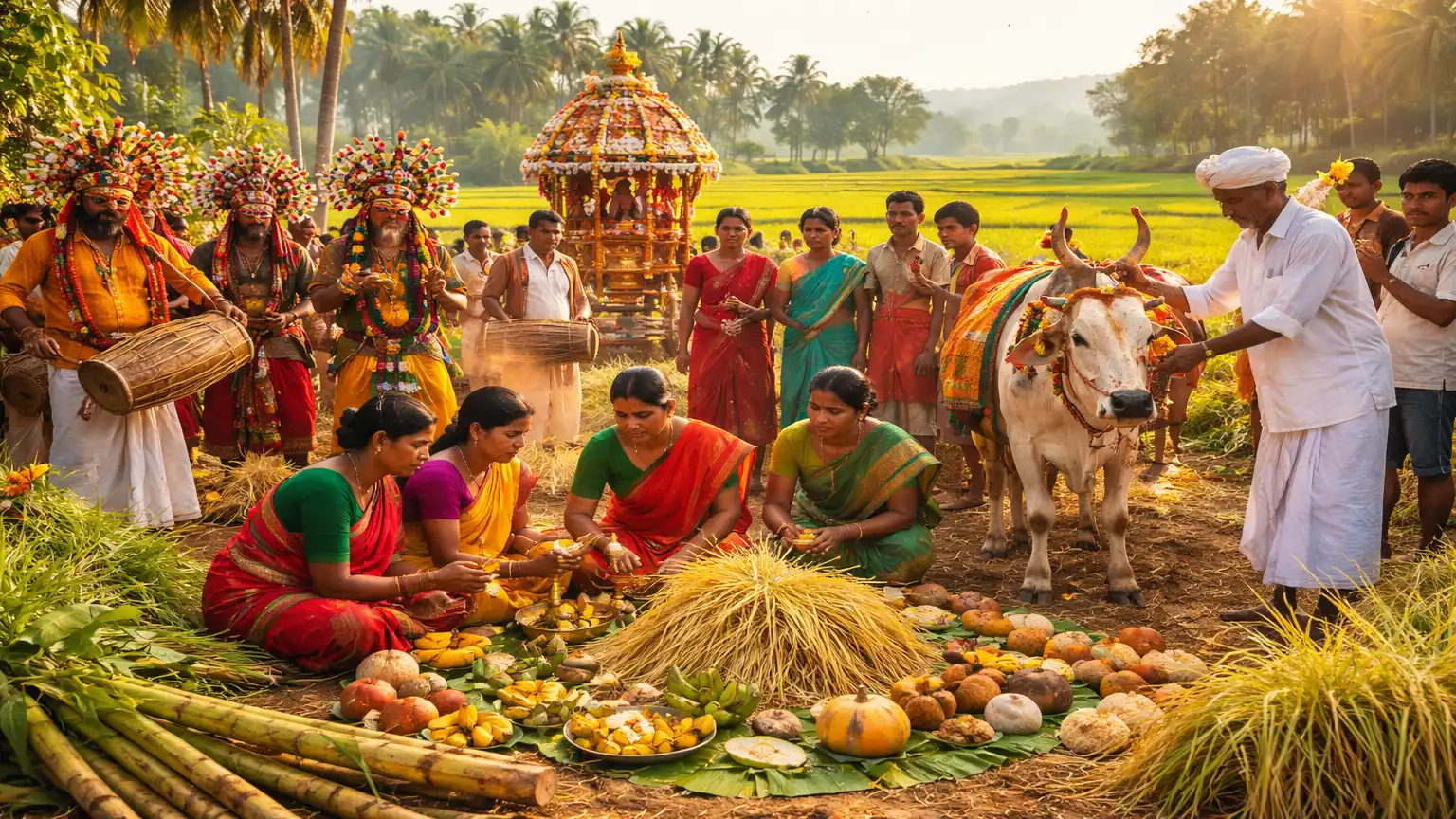
Karnataka is widely known for festivals like Mysuru Dasara, Ugadi, and Hampi celebrations. However, beyond these well-known events, many harvest festivals are observed quietly in villages and rural communities across the state. These festivals are deeply connected to farming cycles, local beliefs, and community life, yet they remain largely undocumented and less explored. This article looks at some of these lesser-known harvest festivals of Karnataka, explaining their meaning, rituals, and cultural importance in simple language.
Importance of Harvest Festivals in Karnataka
Agriculture has been the backbone of Karnataka for centuries. Farmers depend on monsoon rains, soil quality, and seasonal changes. Harvest festivals are a way to thank nature, gods, cattle, and farming tools for their support. These festivals are not just religious events; they are social gatherings where villages come together, disputes are settled, and traditions are passed to the next generation.
In many parts of Karnataka, harvest celebrations are localized. The same festival may be known by different names or followed with different customs depending on the region, such as coastal areas, Malnad, dry plains, or tribal belts.
Suggi Habba in Rural South Karnataka
Suggi Habba is a harvest celebration observed in parts of southern Karnataka, especially in old agrarian villages. While Suggi is sometimes associated with Holi-like celebrations, in many villages it has a strong harvest meaning.
After the rabi crops are harvested, villagers decorate their homes with mango leaves and rangoli made from rice flour. Farmers worship agricultural tools like ploughs and sickles. Special food items made from fresh grains, jaggery, and coconut are prepared.
What makes Suggi Habba unique in these villages is the participation of folk performers who wear colorful masks and costumes. These performers go from house to house, blessing families and receiving grains in return. This tradition strengthens social bonds and ensures community sharing.
Karanji Habba of Old Tank-Irrigated Villages
Karanji Habba is celebrated in villages that depend on traditional tanks and lakes for irrigation. This festival is observed after the tanks are full and crops are safely harvested.
Villagers clean the tank bunds and worship the water source, believing it to be the lifeline of their fields. A symbolic offering of harvested grains is made near the tank, and elders narrate stories of how ancestors built and maintained these water bodies.
This festival highlights Karnataka’s ancient water-management culture, which is rarely discussed in mainstream articles.
Bali Padyami in Farming Households
Bali Padyami is better known as a day of worship for King Bali, but in many farming households of Karnataka, it also marks the end of the agricultural year. Farmers consider this day as a symbolic harvest thanksgiving.
Small heaps of newly harvested grains are placed near the entrance of homes. Cows and bullocks are decorated and fed special fodder. Women draw traditional designs representing fields, crops, and ploughs.
Unlike major festivals, Bali Padyami is calm and reflective, focusing on gratitude rather than celebration.
Karaga-Related Harvest Festivals in Village Communities
While Karaga is famous in Bengaluru, village-level Karaga-related rituals have strong agricultural links. In many rural areas, Karaga marks the fertility of land and successful harvest.
Temporary shrines are set up using mud, flowers, and grains. The rituals symbolize the balance between nature and human effort. These village versions of Karaga are smaller, deeply spiritual, and rarely documented outside oral traditions.
Hasi Karaga of Dry Belt Regions
In dry regions of Karnataka where rainfall is uncertain, farmers celebrate Hasi Karaga only when crops survive harsh conditions. “Hasi” refers to greenery and freshness.
This festival is not fixed every year. It is celebrated only when the harvest is good. Villagers prepare simple meals from fresh produce and collectively pray for continued rainfall in the next season.
The rarity of this festival itself makes it special, as it depends entirely on nature’s generosity.
Harvest Rituals among Tribal Communities
Karnataka is home to several tribal communities such as Soliga, Jenu Kuruba, and Koraga. Each group has its own harvest rituals, often unknown to outsiders.
Instead of temples, forests and hills are worshipped. The first portion of harvested crops is offered to forest spirits. No metal tools are used during rituals, showing respect for natural elements.
These festivals emphasize coexistence with forests rather than control over land, offering an alternative perspective on agriculture.
Coastal Harvest Observances beyond Suggi
In coastal Karnataka, apart from well-known Suggi celebrations, many fishing-farming communities observe small harvest rituals when rice is stored for the year.
Coconut, rice, and fish form the core offerings. Elders perform simple prayers at home granaries. These rituals focus on food security and protection from natural calamities like floods and cyclones.
Because these ceremonies happen inside homes, they rarely appear in travel or culture blogs.
Role of Women in These Harvest Festivals
Women play a central role in lesser-known harvest festivals of Karnataka. They decide the timing of rituals, prepare ceremonial food, and preserve songs related to farming.
Many traditional harvest songs sung by women describe soil, seeds, rain, and patience. These songs are an important but fading cultural record of rural life.
Why These Festivals Are Less Documented
There are several reasons why these harvest festivals remain less explored. They are localized, not fixed on calendars, and often limited to one or two villages. There is also a lack of written records, as most traditions are passed orally.
Modern agriculture and migration have further reduced participation, making documentation even more urgent.
Cultural Value and Need for Preservation
These lesser-known harvest festivals represent Karnataka’s true rural diversity. They reflect sustainable farming practices, respect for nature, and community cooperation.
Documenting and preserving these festivals is important not just for cultural pride but also for understanding traditional ecological knowledge. Simple recognition can encourage younger generations to value and continue these practices.
Also Read: Murshidabad history