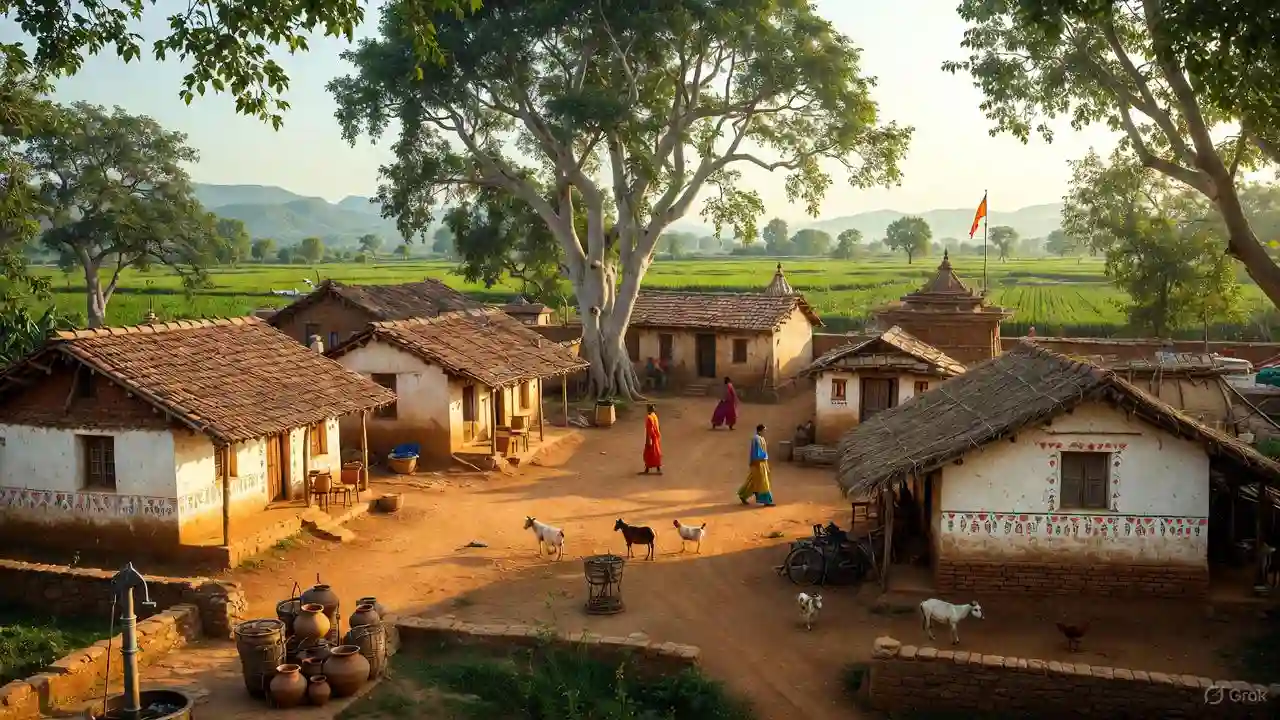
Kal Mona is a village which is located in the Handwara sub-district of Kupwara district in the state of Jammu & Kashmir, India. According to the Census 2011, the village has a total population of 1,349 persons, comprising 709 males and 640 females. Kal Mona village consists of 191 houses, indicating an average household size of 7.06 persons per house. The village has a reasonably balanced gender composition with males comprising 52.6% and females making up 47.4% of the population. This balanced demographic pattern suggests stable community dynamics within the village.
Educational Achievement in Kal Mona
Kal Mona has a total literate population of 770 persons, with an overall literacy rate of 57.08%, which is below the national average of 74.04%:
- Male literate population: 452 persons
- Female literate population: 318 persons
- Male literacy rate: 63.75%
- Female literacy rate: 49.69%
The gender disparity in literacy stands at 14.06 percentage points between male and female literacy rates. While 452 males have achieved literacy, 318 females are literate, revealing ongoing challenges to women’s education in the village. Both male and female literacy rates fall short of national benchmarks, though the village demonstrates moderately better performance compared to several neighboring areas. Continued emphasis on girls’ education and comprehensive literacy programs are essential for further improving these indicators and promoting equitable learning opportunities.
Work Participation Patterns in Kal Mona
The village shows the following employment patterns:
- Total working population: 274 (20.31% of total population)
- Male working population: 235 (33.15%)
- Female working population: 39 (6.09%)
The overall work participation rate of 20.31% is notably low, and there is an extreme gender disparity in workforce participation. While 33.15% of males are engaged in economic activities, only 6.09% of females participate in the workforce, meaning just 39 women out of 640 are counted as workers. This exceptionally low female work participation rate suggests significant cultural, social, or economic barriers preventing women from engaging in formal economic activities.
Demographic Trends & Social Stratification
Population data provides essential information on the village’s age characteristics with a population aged 0-6 years numbering 303 persons (22.46% of total population). The child population represents more than one-fifth of the total population, indicating a youthful demographic profile that substantially exceeds the national average of 13.59% for the 0-6 age group. This suggests a high fertility rate and a growing population base within the village, which has important ramifications for future infrastructure planning, particularly in education and healthcare sectors. The village will need to invest in expanding educational facilities and child welfare programs to accommodate this large younger cohort as they progress through the education system.
According to the census data, the village has no Scheduled Caste population (0% of total population), reflecting the distinct social structure characteristic of the Muslim-majority Kashmir valley region.
Performance Indicators
| Indicator | Kal Mona | National Average | Difference |
|---|---|---|---|
| Total Population | 1,349 | – | – |
| Household Size | 7.06 | 4.9 | +2.16 |
| Literacy Rate | 57.08% | 74.04% | -16.96% |
| Male Literacy | 63.75% | 82.14% | -18.39% |
| Female Literacy | 49.69% | 65.46% | -15.77% |
| Work Participation | 20.31% | 39.8% | -19.49% |
| Male Work Participation | 33.15% | 53.26% | -20.11% |
| Female Work Participation | 6.09% | 25.52% | -19.43% |