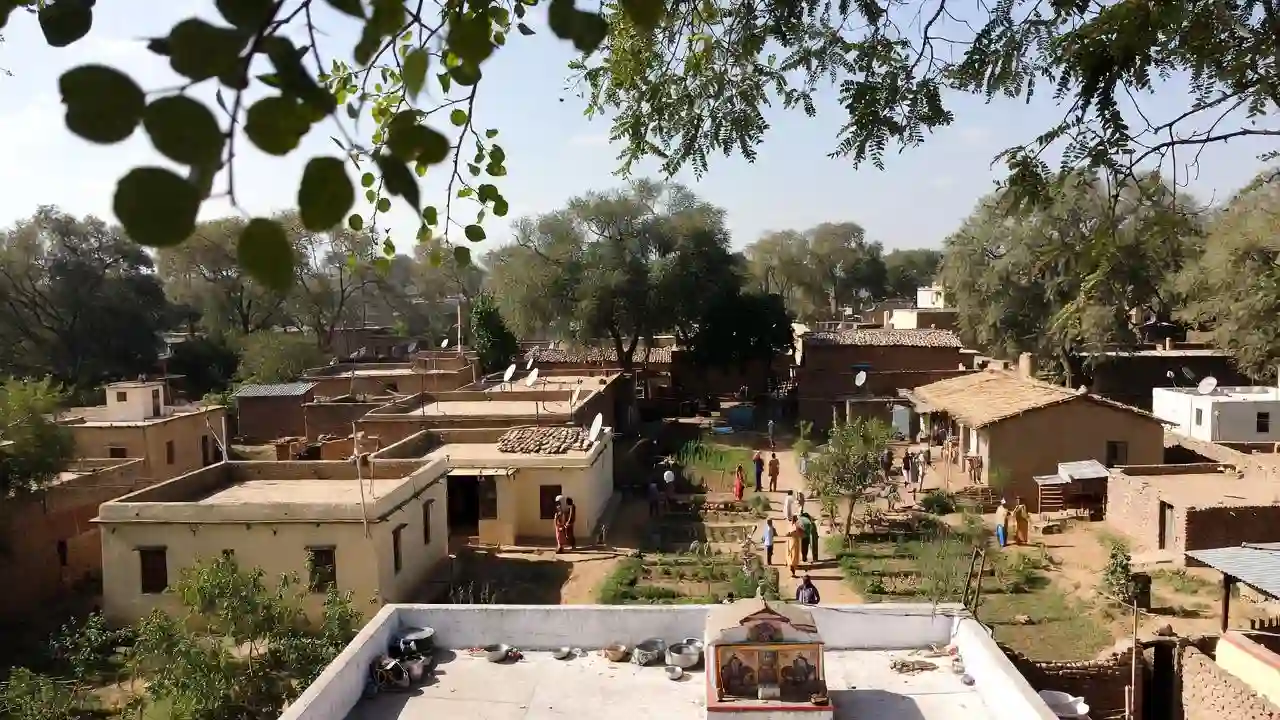
Padder Gund is a village which is located in the Handwara sub-district of Kupwara district in the state of Jammu & Kashmir, India. According to the Census 2011, the village has a total population of 361 persons, comprising 199 males and 162 females. Padder Gund village consists of 47 houses, indicating an average household size of 7.68 persons per house. The village has a moderately balanced gender composition with males comprising 55.1% and females making up 44.9% of the population. This demographic pattern shows a slight gender imbalance within the village community.
Literacy Standards in Padder Gund
Padder Gund village has a total literate population of 193 persons, with an overall literacy rate of 53.46%, which is considerably below the national average of 74.04%:
- Male literate population: 125 persons
- Female literate population: 68 persons
- Male literacy rate: 62.81%
- Female literacy rate: 41.98%
The gender disparity in literacy stands at 20.83 percentage points between male and female literacy rates. While 125 males have achieved literacy, 68 females are literate, revealing persistent challenges to women’s education in the village. Both male and female literacy rates fall short of national benchmarks, highlighting the urgent need for improved educational facilities and community engagement. Sustained focus on girls’ education and adult literacy initiatives would be essential for further improving these indicators and promoting equitable learning opportunities.
Economic Engagement in Padder Gund
The village shows the following employment patterns:
- Total working population: 73 (20.22% of total population)
- Male working population: 65 (32.66%)
- Female working population: 8 (4.94%)
The overall work participation rate of 20.22% is notably low, and there is an extreme gender disparity in workforce participation. While 32.66% of males are engaged in economic activities, only 4.94% of females participate in the workforce, meaning just 8 women out of 162 are counted as workers. This exceptionally low female work participation rate suggests significant cultural, social, or economic barriers preventing women from engaging in formal economic activities.
Demographic Structure & Caste Categories
The census data delivers meaningful insights regarding the village’s age composition with a population aged 0-6 years numbering 98 persons (27.14% of total population). The child population represents more than one-quarter of the total population, indicating a highly youthful demographic profile that dramatically exceeds the national average of 13.59% for the 0-6 age group. This suggests a very high fertility rate and a rapidly expanding population base within the village, which carries significant implications for future educational facilities, healthcare services, and infrastructure development needs. The village’s young population will require substantial investment in primary education and childcare infrastructure in the coming years.
According to the census data, the village has no Scheduled Caste population (0% of total population), reflecting the distinct social structure characteristic of the Muslim-majority Kashmir valley region.
Comparative Statistics
| Indicator | Padder Gund | National Average | Difference |
|---|---|---|---|
| Total Population | 361 | – | – |
| Household Size | 7.68 | 4.9 | +2.78 |
| Literacy Rate | 53.46% | 74.04% | -20.58% |
| Male Literacy | 62.81% | 82.14% | -19.33% |
| Female Literacy | 41.98% | 65.46% | -23.48% |
| Work Participation | 20.22% | 39.8% | -19.58% |
| Male Work Participation | 32.66% | 53.26% | -20.60% |
| Female Work Participation | 4.94% | 25.52% | -20.58% |